

Exploring the psychology behind casino gambling
Understanding the allure of gambling
The allure of gambling extends far beyond the excitement of winning, encompassing a blend of complex psychological elements that captivate individuals. Many people are drawn to casinos due to the thrill and anticipation that gambling brings, especially when they discover an online casino that accept neosurf that offers unique experiences. The environment is intentionally designed to stimulate the senses, featuring bright lights, engaging sounds of potential wins, and an overall atmosphere filled with the promise of fortune. This sensory overload creates a vibrant ambiance where individuals feel invigorated and alive, making it difficult to resist the urge to participate in various games.
Moreover, psychological factors such as the variable ratio reinforcement schedule play a pivotal role in the attraction of gambling. Unlike many activities that provide consistent rewards, gambling offers unpredictable outcomes. This unpredictability heightens excitement and engagement, as players experience a rush with every spin of the wheel or flip of a card. The anticipation of a win can become addictive, compelling players to return in hopes of replicating previous successes. This dynamic reinforces the idea that every game could be the one leading to a significant payoff, making the experience all the more enticing.
Additionally, social influences significantly contribute to the allure of gambling. Casinos often function as social hubs where individuals gather, creating an environment conducive to interaction and community bonding. The shared experience of gambling fosters a sense of belonging among participants, reinforcing their desire to engage in these activities. The prospect of celebrating wins or sharing in losses with others can be powerful motivators that keep gamblers returning for more, thereby deepening their psychological ties to gambling and creating a communal atmosphere around the activity.
The psychology of risk-taking
Risk-taking is a fundamental aspect of gambling that resonates deeply within the human psyche. The desire to take risks is often linked to personality traits such as openness to experience and sensation-seeking. Some individuals flourish on the adrenaline rush derived from risking their money in hopes of achieving larger gains. This psychological component can lead to a cycle where individuals continuously seek new risks, feeling invigorated by the uncertainty and potential for grandeur that gambling offers. The thrill of not knowing whether one will win or lose adds an exhilarating dimension to the experience.
Furthermore, cognitive biases significantly shape how gamblers perceive risk. Many individuals fall into the ‘illusion of control,’ a cognitive bias where they believe they can influence the outcome of a game solely through their choices or strategies. This misleading belief can create overly optimistic views regarding their chances of winning, persuading them to take risks they would typically avoid in a non-gambling context. Understanding this aspect of psychology is crucial in explaining why individuals continue to gamble despite often overwhelming odds against them.

The concept of loss aversion also plays a critical role in risk-taking behavior in gambling. Many players prefer to continue gambling in hopes of recovering losses rather than walking away. This phenomenon stems from the intrinsic fear of losing, which can be psychologically more painful than the pleasure derived from equivalent gains. Consequently, individuals may unwittingly escalate their gambling habits, viewing each wager as a potential recovery opportunity rather than a separate risk. This behavior is driven by deeper psychological implications, reinforcing their involvement with gambling even when it becomes detrimental.
The role of cognitive dissonance
Cognitive dissonance is a prevalent psychological phenomenon in the realm of gambling, as players often grapple with conflicting thoughts and feelings regarding their behavior. For instance, individuals may rationalize their losses by focusing on past wins or enhancing their belief in the possibility of future success. This rationalization acts as a coping mechanism, allowing players to maintain their self-esteem and justify their continued participation in gambling activities despite experiencing significant losses. Such mental gymnastics enable them to persist in the activity, often leading to deeper financial and emotional investments.
Another dimension of cognitive dissonance in gambling involves the narratives that gamblers create around their experiences. Many players construct elaborate stories about their gambling habits, framing themselves as strategic or skillful, even when outcomes are largely dictated by chance. By doing so, they reduce the emotional discomfort associated with losses, allowing them to continue gambling without confronting the harsh realities of their outcomes. This rationalization can lead to increased gambling frequency, reinforcing the cycle of behavior as they seek to validate their self-perception.
Furthermore, cognitive dissonance can intensify when gamblers observe their peers experiencing success. Witnessing others win can amplify personal desires to continue gambling, as individuals may feel compelled to achieve similar levels of success. This social comparison often leads to increased gambling frequency and a heightened emotional investment in outcomes. Consequently, cognitive dissonance serves to perpetuate gambling behavior, creating a barrier for individuals attempting to assess their habits objectively. The emotional turbulence stemming from these internal conflicts can make it challenging for individuals to step back and reevaluate their gambling practices.
The impact of environment on gambling behavior
The environment of a casino is meticulously designed to profoundly influence gamblers’ psychology. Factors such as layout, lighting, and sound play pivotal roles in shaping customer experiences. Casinos often employ a maze-like floor plan to keep players engaged, making it challenging to perceive the passage of time and encouraging prolonged participation. This immersive environment, combined with stimulating sounds and visuals, can easily lead individuals to lose track of their spending and time, ultimately resulting in increased gambling behavior as they become enveloped in the atmosphere.
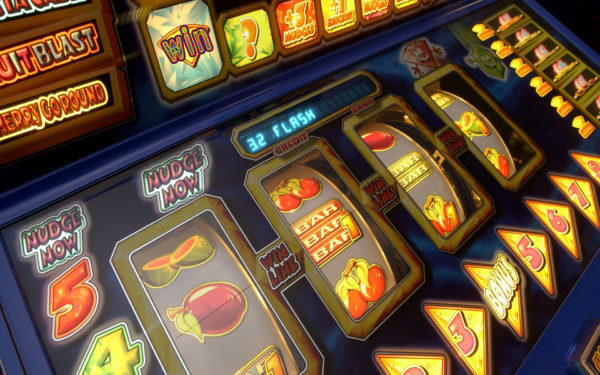
Moreover, the emotional ambiance of a gambling venue is crafted to evoke specific feelings and responses. The presence of jubilant winners celebrating around players can elevate excitement levels and entice them to engage with games. This social proof reinforces the positive aspects of gambling, making it more likely that individuals will place bets in hopes of experiencing a similar sense of victory. The psychological impact of witnessing wins, whether authentic or embellished, can be substantial, creating a feedback loop that keeps players engaged and invested in the gambling experience.
Additionally, the concept of ‘near misses’ in gambling exploits environmental design to perpetuate excitement and continued play. A near miss occurs when a player almost wins, such as aligning two symbols instead of three. Research shows that near misses can generate a false sense of competence, leading players to believe that success is just within their grasp. This tailored experience further solidifies the psychological bond between individuals and gambling, making it increasingly difficult for them to detach from the activity. The environment thus becomes a powerful catalyst for reinforcing gambling behavior.
Exploring resources for responsible gambling
Understanding the psychological aspects of gambling is crucial for promoting responsible gambling practices. Many organizations focus on educating individuals about potential risks and providing resources to mitigate problematic behaviors. Such initiatives aim to empower gamblers to make informed decisions about their participation and recognize when their habits may be veering into addiction. This educational approach is essential for fostering a healthier perspective on gambling and ensuring that it remains an enjoyable pastime.
Educational programs often delve into the psychological elements that contribute to gambling behaviors, fostering awareness of cognitive biases, risk-taking tendencies, and the implications of cognitive dissonance. By equipping individuals with the knowledge necessary to recognize and cope with these influences, these initiatives aim to cultivate a culture of responsible gambling. This understanding can motivate players to develop healthier relationships with wagering, ultimately reducing the risk of addiction and promoting a more balanced approach to gambling.
Furthermore, many websites provide dedicated sections for responsible gambling, offering tools and resources for individuals seeking help. These resources may include self-assessment quizzes, strategies for setting limits, and contact information for support networks. Such platforms play a vital role in creating a supportive environment that encourages individuals to seek help when necessary, emphasizing that gambling should remain a recreational activity rather than a compulsive habit. By fostering an informed community, these resources contribute significantly to the overall well-being of gamblers.